The Timeless Appeal of Leather in Men’s Style
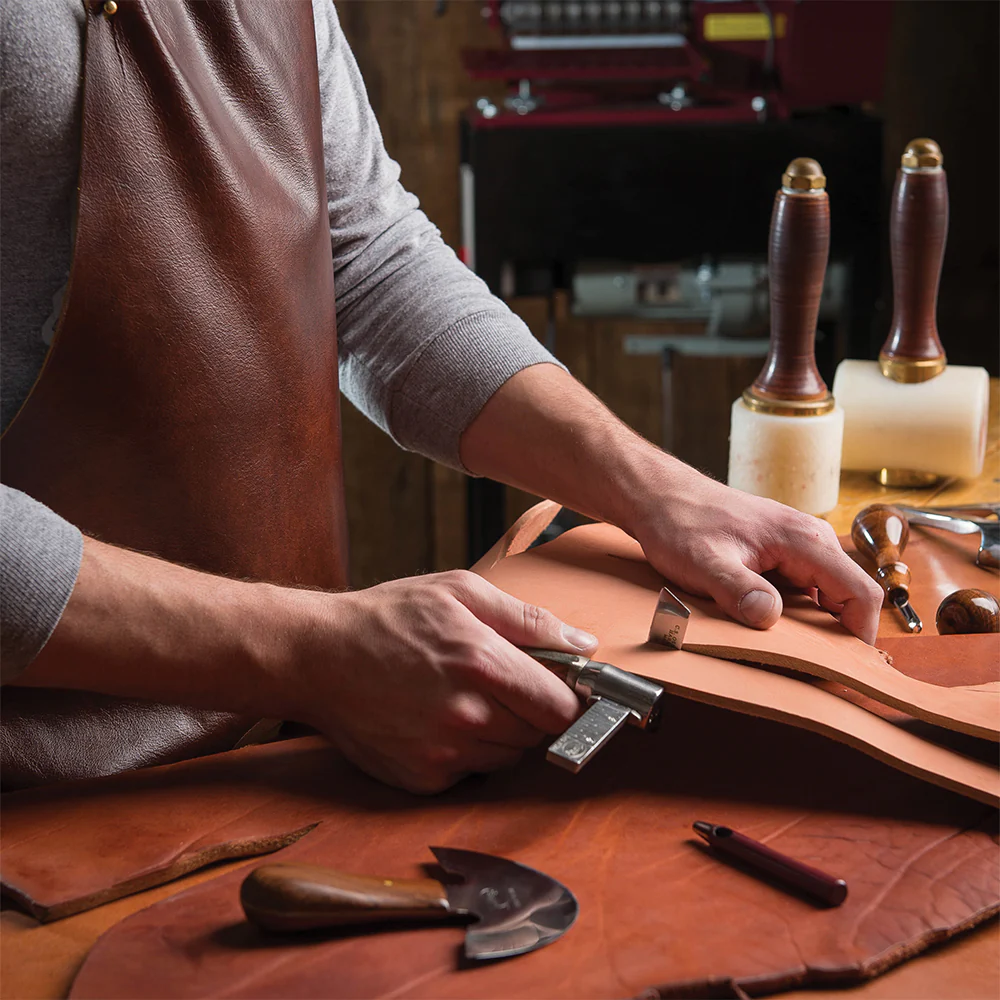
Leatherworking – There’s something undeniably masculine about working with leather. The rich aroma, the satisfying weight in your hands, the way it molds and ages with character—leatherworking connects us to a tradition of craftsmanship that has defined masculine style for centuries. In today’s world of fast fashion and disposable goods, creating something with leather isn’t just a hobby; it’s a statement about quality, durability, and self-reliance.
Leather has always been more than just material—it’s a lifestyle. From rugged boots to sophisticated briefcases, leather pieces tell a story of adventure and endurance. Learning to work with leather puts you in control of that narrative, allowing you to create pieces that reflect your personal style and values.
Why Every Man Should Learn Leatherworking
Before diving into techniques and recipes, let’s establish why leatherworking deserves a place in every man’s skill set. First, it’s practical. Being able to repair your own leather goods saves money and extends the life of quality items. Second, it’s creative. Leatherworking allows you to express your personal style through custom pieces that can’t be found in stores.
Most importantly, it connects us to a tradition of craftsmanship that’s increasingly rare in our digital world. Working with your hands to create something tangible provides a sense of accomplishment that’s hard to find elsewhere. As one leatherworking enthusiast notes, “The satisfaction of using something you’ve made with your own hands is unmatched.”
Essential Tools for the Modern Leatherworker
Getting started in leatherworking doesn’t require a massive investment. Here are the essentials:
- Cutting tools: A sharp utility knife or rotary cutter
- Stitching tools: Needles, waxed thread, and stitching awl
- Punching tools: Hole punches in various sizes
- Finishing tools: Edge beveler, burnisher, and slicker
- Measuring tools: Ruler, square, and divider
For quality tools and materials, Tandy Leather and Weaver Leather Supply offer comprehensive selections for beginners and experts alike.
Understanding Leather Types and Selection
Not all leather is created equal. Understanding the basics will help you select the right material for your projects:
- Full-grain leather: The highest quality, featuring the entire grain with natural markings
- Top-grain leather: Sanded and refinished, more uniform but less durable
- Genuine leather: Split leather, lower quality but more affordable
- Exotic leathers: Including ostrich, alligator, and specialty hides
For most projects, full-grain vegetable-tanned leather offers the best balance of workability and durability. It accepts dye well and develops a beautiful patina over time.
Sourcing Sustainable Leather Materials
As conscious consumers, it’s important to consider the sustainability of our materials. Here are some approaches:
- Upcycling: Repurpose leather from old furniture, clothing, or thrift store finds
- Byproduct utilization: Choose leather from animals raised for food, reducing waste
- Tannery research: Support tanneries using environmentally friendly processes
- Local sourcing: Find local leatherworkers or tanneries to reduce transportation impact
The Leather Working Group provides resources for identifying sustainably produced leather.
Essential Leatherworking Techniques
Master these fundamental techniques to tackle most projects:
Cutting and Preparation
Always use a sharp blade and cut on a protective surface like a self-healing mat. Measure twice, cut once—leather is unforgiving of mistakes. For curved cuts, use a rotary cutter for smoother lines.
Stitching Methods
The saddle stitch is the foundation of leatherworking. It creates strong, decorative seams that are characteristic of quality leatherwork. Practice on scrap pieces until your stitches become even and consistent.
Edge Finishing
Proper edge finishing separates amateur from professional work. Bevel edges, apply edge dye, and burnish with gum tragacanth for a polished, durable finish.
DIY Leather Dye Recipes
Creating custom colors allows you to put your personal stamp on projects. Here are two reliable recipes:
Basic Oil-Based Dye
Ingredients:
- 4 parts oil-based leather dye base
- 1 part mineral oil
- Leather dye concentrate in your chosen color
Instructions:
- Mix dye base and mineral oil in a glass container
- Add dye concentrate gradually until you achieve desired color
- Test on scrap leather before applying to your project
- Apply with dauber or wool dauber in thin, even coats
Eco-Friendly Vegetable-Based Dye
Ingredients:
- 2 cups distilled water
- 1 tablespoon alum (potassium aluminum sulfate)
- Natural dye material (walnut hulls for brown, onion skins for yellow, etc.)
Instructions:
- Simmer dye material in water for 1 hour
- Strain liquid and add alum, stirring until dissolved
- Allow to cool completely
- Apply to leather with brush or sponge
- Allow to dry completely before finishing
Finishing Techniques for Durability
Proper finishing protects your work and enhances appearance:
Basic Finish
- Apply leather conditioner or neatsfoot oil with a soft cloth
- Allow to penetrate for 30 minutes
- Buff off excess with clean cloth
Waterproof Finish
- Apply beeswax-based dressing evenly
- Use heat gun or hair dryer to melt wax into leather
- Allow to cool and buff to desired sheen
High-Gloss Finish
- Apply multiple thin coats of acrylic leather finish
- Allow each coat to dry completely
- Lightly sand between coats with fine-grit sandpaper
- Final coat should be applied with care to avoid drips
Project Ideas to Start Your Leatherworking Journey
Ready to create something? Start with these beginner-friendly projects:
- Wallet: A classic first project that teaches basic folding, stitching, and edge finishing
- Key fob: Quick and satisfying, perfect for practicing stamping and finishing
- Belt: More ambitious but teaches important techniques like measuring and buckle attachment
- Phone case: Combines precision cutting with protective design elements
The Harvest: Understanding Leather Processing
While most hobbyists will purchase processed leather, understanding the harvesting process deepens appreciation for the material:
Traditional Tanning Process
- Curing: Raw hides are salted to prevent decomposition
- Soaking: Hides are rehydrated and cleaned
- Liming: Hair and epidermis are removed
- Scudding: Remaining hair is scraped away
- Deliming: Hides are acidified to prepare for tanning
- Tanning: Hides are treated with tanning agents to prevent decay
- Splitting: Hides may be split into layers of different thicknesses
- Finishing: Surface treatments create desired appearance and properties
Sustainable Harvesting Practices
For those interested in the ethical dimension of leatherworking, consider these sustainable practices:
- Utilizing entire animal to minimize waste
- Supporting tanneries using chrome-free processes
- Exploring alternative materials like mushroom leather or pineapple leather (Piñatex)
The Sustainable Leather Foundation offers resources for ethically sourced leather.
Building Your Leatherworking Community
Leatherworking doesn’t have to be a solitary pursuit. Connect with fellow craftsmen through:
- Local workshops and classes
- Online forums like Leatherworker.net
- Social media groups dedicated to leathercraft
- Maker spaces with leatherworking equipment
Sharing knowledge and techniques accelerates learning and provides inspiration for future projects.
Conclusion: Start Your Leatherworking Journey Today
Leatherworking offers more than just the ability to create custom pieces—it connects us to a tradition of craftsmanship that values quality, durability, and self-reliance. In a world of mass-produced goods, there’s profound satisfaction in creating something with your own hands that will last for years, even decades.
Start small, be patient with yourself, and remember that every master was once a beginner. The skills you develop will serve you well beyond leatherworking, teaching patience, precision, and problem-solving.
Now it’s your turn. We want to see what you create! Share your leatherworking projects, questions, or tips in the comments below. Whether it’s your first wallet or a complex bag design, your experience might inspire another reader to begin their leatherworking journey.
Additional Resources:
- Tandy Leather – Comprehensive leather supplier with tutorials
- Weaver Leather Supply – Quality tools and materials
- Leatherworker.net – Community forum for all skill levels
- Ian Atkinson’s YouTube Channel – Excellent tutorials for beginners
- Sustainable Leather Foundation – Resources for ethical leather sourcing