Landmark Verdicts Against Meta and YouTube Signal a New Era of Accountability
Social Media Giants on the Ropes – In today’s world we all spend hours scrolling through social media, but have you ever wondered if these platforms are actually designed to keep us hooked? Well, it turns out the courts are starting to ask the same question, and the answers are shaking Silicon Valley to its core.
The Verdicts That Changed Everything
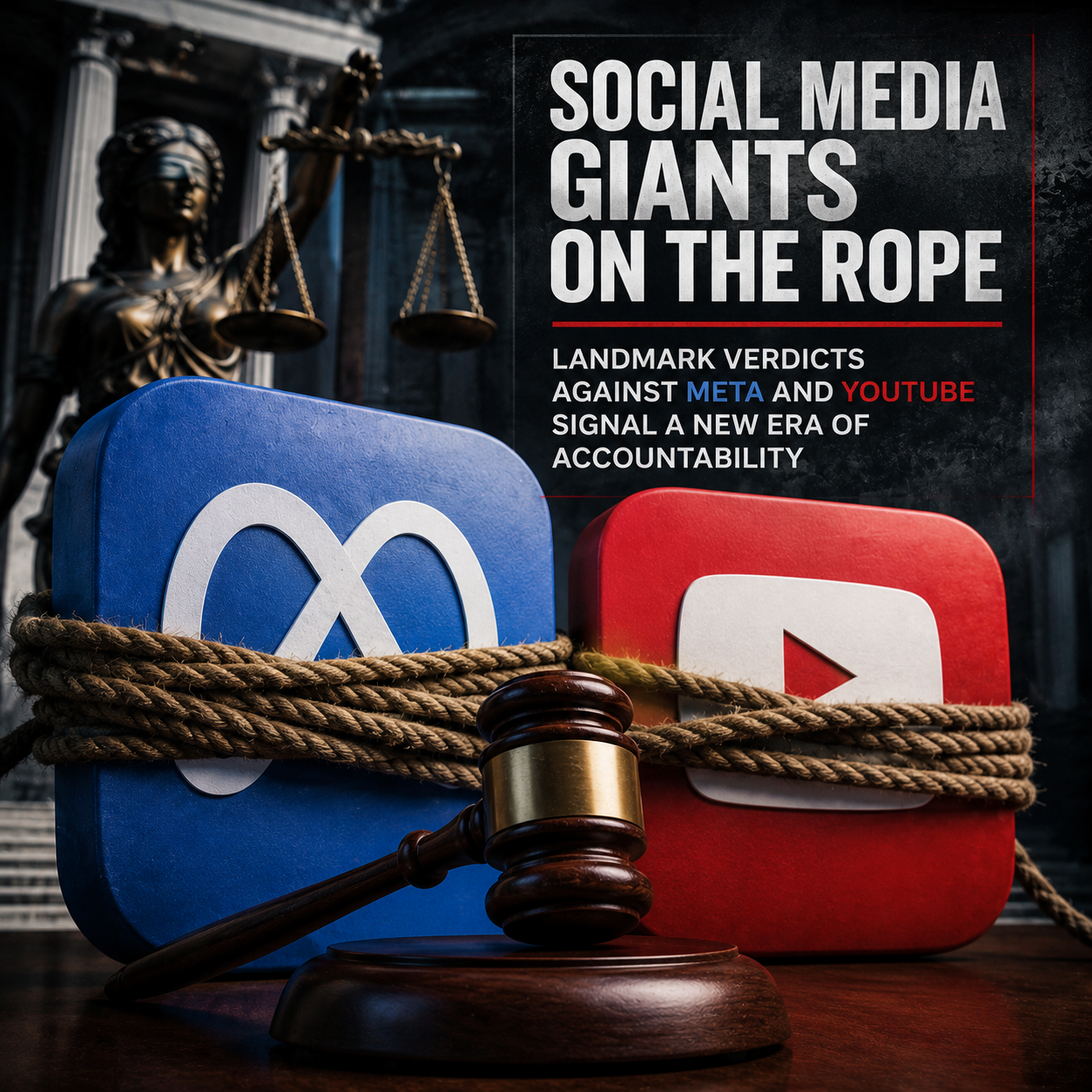
In March 2026, two landmark jury verdicts against Meta (Facebook, Instagram, and WhatsApp’s parent company) and Google (YouTube’s owner) sent shockwaves through the tech industry. In California, a jury found that these companies intentionally built addictive social media platforms that harmed a young woman’s mental health, awarding her $6 million in damages. Just a day earlier, a New Mexico jury hit Meta with a staggering $375 million verdict for failing to protect children from exploitation on its platforms.
These cases aren’t just about money—they’re about accountability. For the first time, juries have said “enough” to tech giants who have long shielded themselves behind legal protections while their platforms potentially harmed a generation of young users.
The Case That Exposed Social Media’s Dark Side
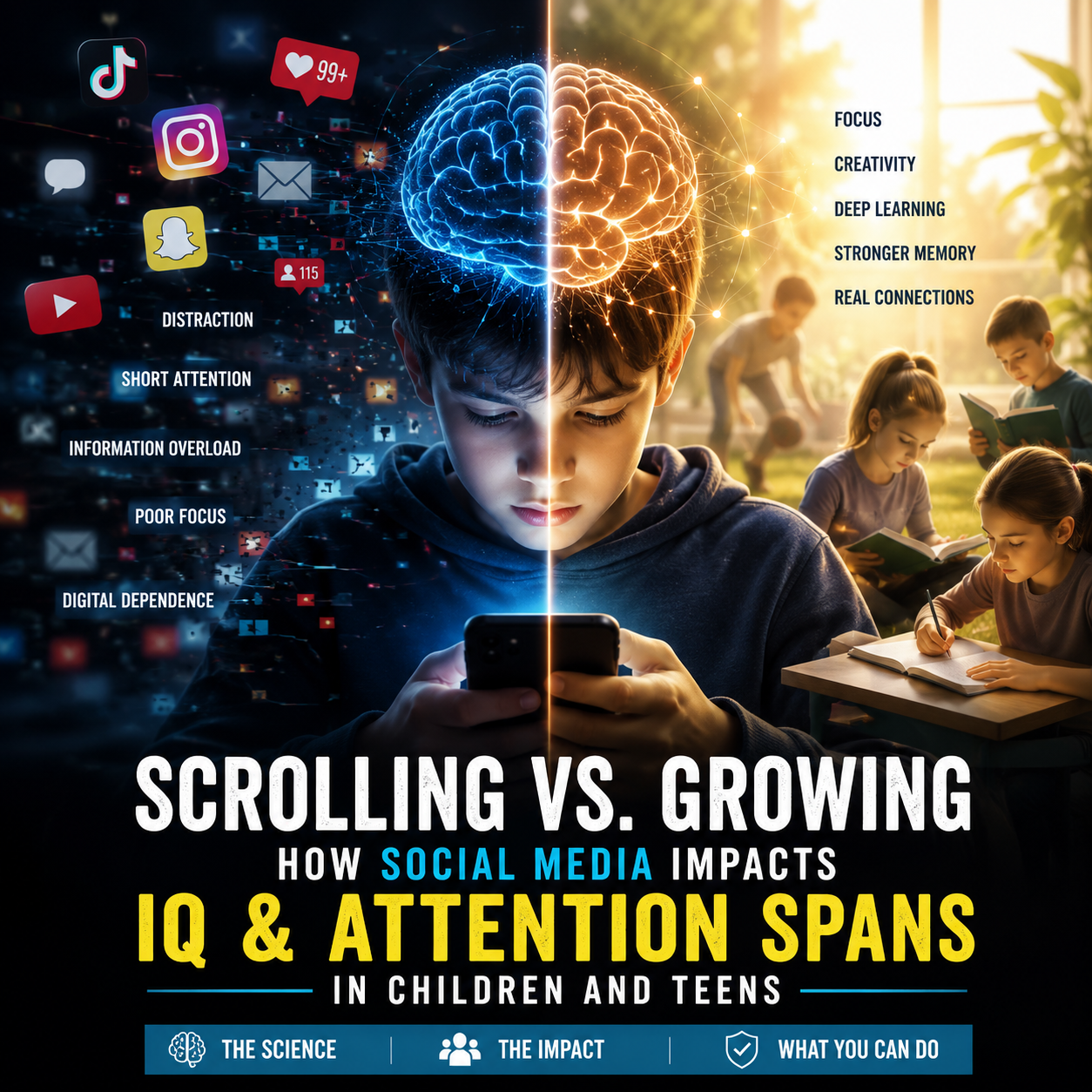
The California case centered on Kaley (identified as KGM in court), a 20-year-old woman who became addicted to Instagram and YouTube starting at just six years old. Her attorneys argued that specific platform features—like infinite scroll, constant notifications, autoplay, algorithmic recommendations, and beauty filters—were deliberately designed to create compulsive usage patterns.
What made this case particularly damning was the internal evidence presented during trial. Kaley’s legal team showed that Meta and YouTube executives knew about the addictive effects of their products on children but still prioritized engagement over safety. As one legal expert put it, “Juries in New Mexico and California have recognized that Meta’s public deception and design features are putting children in harm’s way”.
Why This Matters to All of Us
You might be thinking, “I’m not a kid, so how does this affect me?” Well, these verdicts could fundamentally change how all social media platforms operate:
- Legal Precedent: This is just the first of more than 20 “bellwether” trials that could set legal precedent for thousands of similar cases.
- Design Changes: Companies might be forced to rethink features like infinite scroll and autoplay that keep us mindlessly scrolling.
- Accountability Shift: The verdicts challenge the broad protections tech companies have enjoyed under Section 230 of the Communications Decency Act, which has shielded them from liability for user content.
As Massachusetts Attorney General Andrea Campbell stated after a related ruling, this is “a major step in holding these companies accountable for practices that have fueled the youth mental health crisis and put profits over kids”.
The Bigger Picture: A Global Movement
These court victories are part of a growing global push to hold social media companies accountable:
- In 2024, the U.S. surgeon general called for warning labels on social media platforms explaining their association with mental health harms for adolescents.
- Australia barred children under 16 from using social media in December 2025.
- Malaysia, Spain, and Denmark are considering similar age restrictions.
Even U.S. senators from both parties are getting involved. After the verdict, Republican Marsha Blackburn and Democrat Richard Blumenthal called on Congress to pass legislation directing social media companies to design their platforms with kids’ safety in mind.
What This Means for the Future of Social Media
The implications of these verdicts extend far beyond the courtroom. With more than 2,400 similar cases centralized before a single judge in California federal court, and thousands more in state courts, the tech industry is facing a legal reckoning.
Legal experts note that courts have been moving toward a narrower view of Section 230’s liability shield, with several lower courts ruling that companies’ platform design choices are not protected by the law. This could open the floodgates for more lawsuits challenging the very architecture of social media platforms.
The Human Cost Behind the Headlines
Beyond the legal jargon and corporate statements, these cases represent real human suffering. As one parent outside the Los Angeles courthouse said after the verdict, “Being in that courtroom and hearing those answers from the jury, it’s really validated, but a complete validation of what we’ve been screaming on the top of roofs about for years”.
For Kaley, the verdict acknowledges the pain she experienced. Her attorneys showed that while she had a difficult home life and pre-existing mental health issues, Meta and YouTube’s platforms made her condition worse—a crucial distinction that the jury accepted.
Looking Ahead: What Comes Next?
The fight is far from over. Another case against Meta and other social media platforms over their alleged harms to children is poised to begin in June in California federal court. And with more bellwether trials scheduled for the coming months, we’re likely to see continued legal challenges to how these platforms operate.
For those of us who use these services daily, these developments raise important questions about our relationship with technology. Are we using social media, or is it using us? As the evidence mounts that these platforms are designed to be addictive, we might all need to reconsider our digital habits.
What do you think about these verdicts? Have you noticed social media affecting your mental health? Let me know in the comments below.
Citations
- Meta and YouTube Found Negligent in Landmark Social Media Addiction Case
- Meta and YouTube found liable in social media addiction trial
- Landmark Verdicts Against Meta and YouTube Signal New Era of Social Media Platform Liability
- Jury finds Meta and YouTube liable in landmark youth addiction case | PBS News
- Meta, Google lose US case over social media harm to kids | Reuters
- Jury finds Meta and Google negligent in social media harms trial
- Meta and YouTube designed addictive products that harmed young people, jury finds.
- US jury verdicts against Meta, Google tee up fight over tech liability shield | Reuters
- Meta must face Massachusetts lawsuit over youth social media addiction, court rules