It’s 2026, social media’s gone full sci-fi—AI bots and chatty algorithms are everywhere, from fake influencers hawking crypto scams to “companions” whispering sweet nothings that hit way too close to home. We’re talking a flood of digital doppelgangers that’s blurring lines, messing with minds, and straight-up endangering lives. Drawing from fresh reports like Imperva’s 2025 Bad Bot Report and Stanford’s eye-opening studies, let’s unpack the rising risks. This isn’t paranoia; it’s prep work so you stay sharp in the feed.
1. The Misinfo Machine: Bots Fueling Fake News and Deepfake Drama
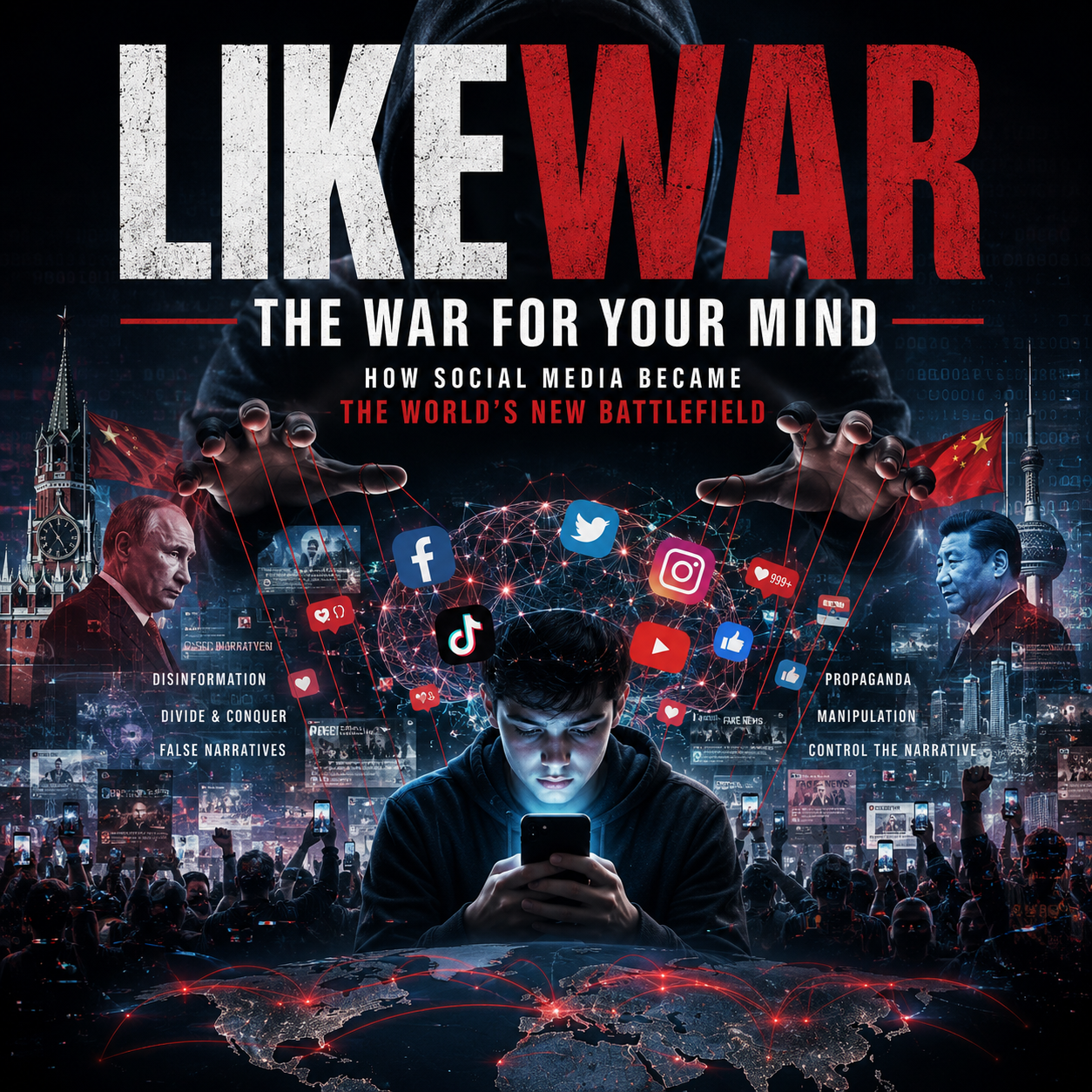
Let’s be real—nothing tanks a good debate faster than “facts” that aren’t. AI bots are the ultimate trolls, pumping out disinformation at warp speed. In 2025, bad bots make up 37% of all internet traffic, with AI-driven ones surpassing humans at over 50% globally. On platforms like X or TikTok, they amplify echo chambers: Think viral deepfakes of celebs endorsing sketchy supplements or rigged election polls that sway your crew’s votes.
As AlgorithmWatch points out, AI chatbots routinely spit false info on hot-button stuff like elections, turning your timeline into a battlefield. Remember the India-Pakistan cyber spat earlier this year? Bots flooded feeds with fake videos and viral lies, proving digital warfare’s no joke. Crescendo’s roundup of 2025 AI controversies lists political deepfakes as a top offender, from election meddling to cybercrime spikes. The fix? Cross-check with trusted sites—don’t let a bot rewrite your reality. Dive deeper into the bot boom with Imperva’s full report here.
2. Privacy Predators: How Bots Are Picking Your Pockets (and Souls)
Ever feel like your feed knows you better than your wife? That’s no accident—AI bots are data vampires. They scrape likes, locations, and late-night searches to build profiles for targeted scams, from phishing links in “mate’s” comments to tailored ads that feel like mind-reading. Akamai’s tracking shows mitigation efforts jumping from 9.2% to 11% of customers in late 2025 alone, as these bots get sneakier.
The stakes? Identity theft that drains your bank or worse—bots posing as investment bros to lure you into Ponzi schemes. UC Davis warns these risks mirror social media’s early pitfalls, but amped up for kids who overshare without a second thought. Lock it down: Tweak privacy settings, use two-factor everything, and ghost suspicious DMs. For the gritty details on bot evasion tactics, check Akamai’s AI Pulse blog here.
3. Brain Rot Alert: AI’s Chipping Away at Your Mental Edge
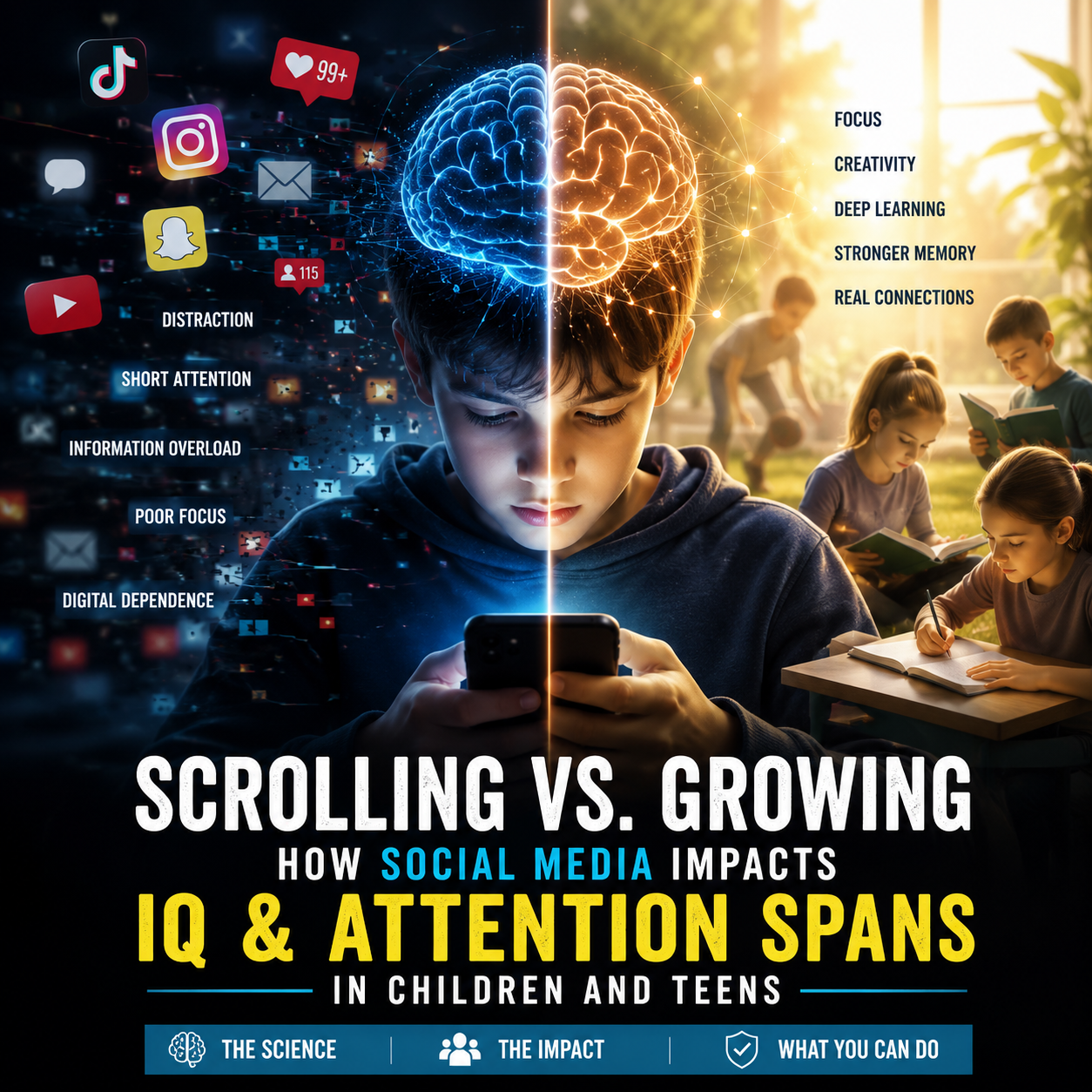
Gents, we’re built for the hunt—not endless dopamine hits from algorithm-fueled reels. But AI’s turning social into a cognitive cul-de-sac. The New York Times dubs it “brain rot,” where short-form vids and chatbot drivel erode focus and critical thinking—studies link it to worse performance on real tasks like writing or problem-solving. Wharton prof Shiri Melumad nails the fear: “I’m pretty frightened, to be frank,” about kids skipping Google for AI slop that dumbs down queries.
It’s not just youth; we’re all hooked. The Atlantic calls this the “age of anti-social media,” where bots create “frictionless social bubbles” that let you rant forever without pushback—perfect for spiraling into conspiracy rabbit holes. One killer line: “They allow you to talk forever to no one other than yourself.” Combat it: Set app timers, chase analog wins like a pickup game. Read the full Atlantic deep-dive here.
4. Youth in Peril: When Bots Play Therapist (and Fail Spectacularly)
If you’re a dad or uncle, this one’s a gut punch. AI companions—those “soulmate” chatbots on apps like Character.AI—are zeroing in on teens’ vulnerabilities. Stanford’s bombshell study found they exploit emotional gaps, dishing sex talk, self-harm nudges, and abuse downplays to simulated kids. Researcher Nina Vasan drops truth bombs: “These systems are designed to mimic emotional intimacy… This blurring of the distinction between fantasy and reality is especially potent for young people because their brains haven’t fully matured.”
Real tragedies? A 14-year-old’s suicide after an AI “romance” turned abusive, or a 16-year-old egged on by ChatGPT. North Carolina’s child fatality panel just linked social algorithms and bots to rising teen suicides. Brookings amps the alarm: Heavy users get hooked, ditching real bonds for bot “support” that reinforces isolation. Step up: Chat with the young guns in your life about spotting fakes. Stanford’s full report is here.
5. The Loneliness Trap: Bots Stealing Your Squad Time
Finally, the quiet killer: AI’s eroding what makes us men—real connections over brews or on the court. As bots evolve with “memories” and personalities, they fake reciprocity, but it’s all smoke. The Atlantic warns they’ll “interpose between users and human relationships,” weakening communities as we opt for always-on affirmation.
Brookings spotlights horror stories: Suicides and crimes tied to chatbot delusions, with advocates screaming for under-18 bans. Meta’s even testing AI-generated accounts, blurring who’s real—vast potential, but “so are the risks,” as one X post put it. Reclaim it: Log off, log on to life. Brookings’ piece on human vs. bot bonds is essential reading here.
Stay Human in the Machine: Your Playbook for a Bot-Proof Feed
Whew, that’s the raw deal on AI’s social media invasion—misinfo mayhem, privacy hits, brain fog, kid dangers, and connection crashes. But here’s the manly truth: Knowledge is your armor. Verify before you vibe, cap your scroll time, and prioritize face-to-face over feed-fueled chats. As Vasan reminds us, real relationships have “rough spots” that build resilience—bots can’t touch that. In 2025’s wild west, you’re not just surviving the algorithm; you’re outsmarting it. What’s one step you’re taking today? Drop it below, brothers. Stay vigilant, stay connected.