
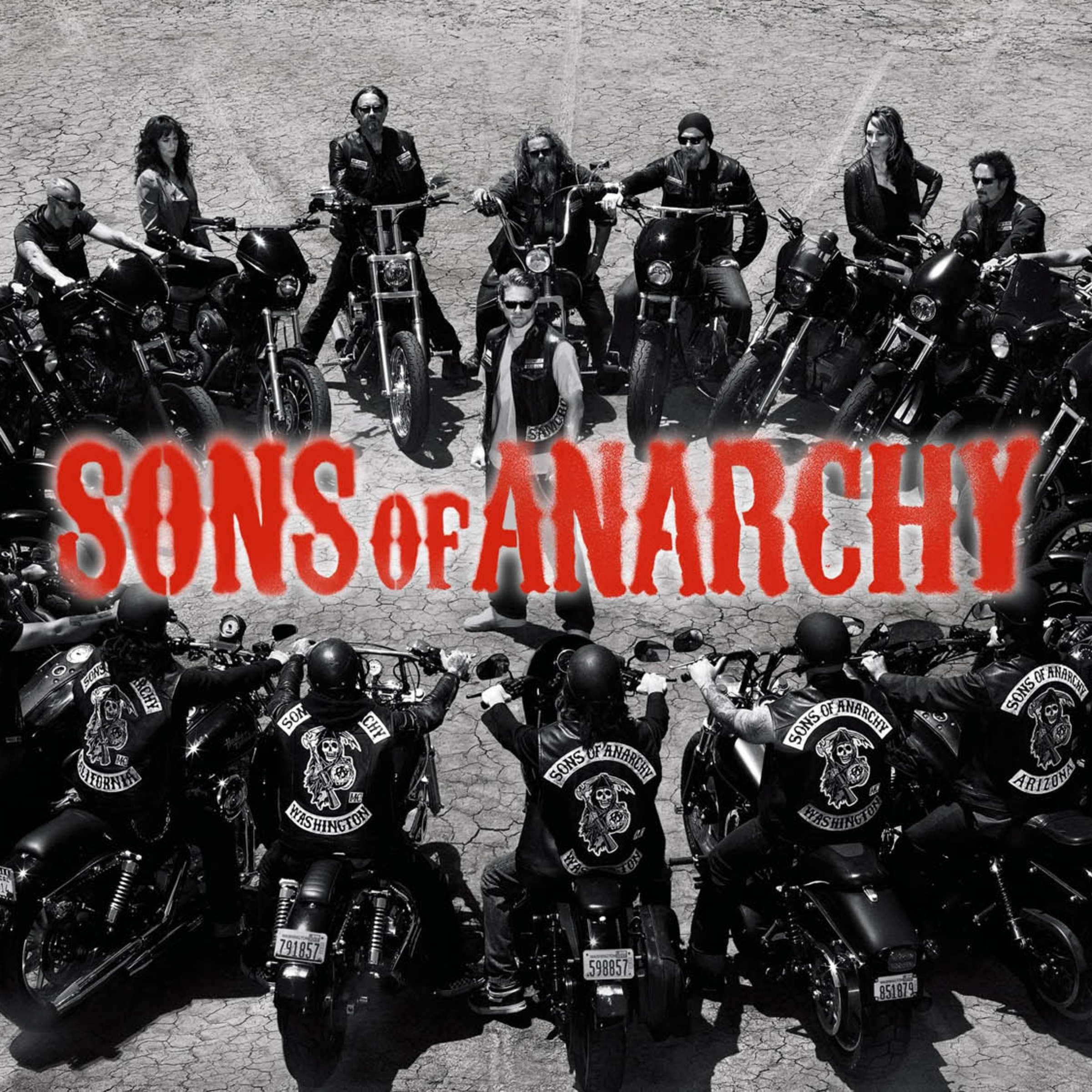
How “Sons of Anarchy” Redefined Brotherhood on Television
In the landscape of television history, few shows have captured the raw, unfiltered essence of brotherhood quite like “Sons of Anarchy.” Over seven seasons, Kurt Sutter’s gritty masterpiece transcended the typical outlaw drama to become a profound meditation on loyalty, sacrifice, and the complex bonds that tie us together. For those who rode with SAMCRO through the streets of Charming, the show wasn’t just entertainment—it was a masterclass in portraying the fierce, sometimes destructive, but ultimately human connections that define brotherhood.
The Foundation: A Brotherhood Forged in Fire
At its core, “Sons of Anarchy” is built on a simple yet powerful premise: a motorcycle club that functions as a surrogate family for its members. This isn’t just a criminal organization—it’s a brotherhood where loyalty trumps everything, including blood ties and personal safety. From the very first episode, we’re introduced to a world where the club’s motto “We are all we have” isn’t just a catchy phrase but a survival strategy.
The relationship between Jax Teller (Charlie Hunnam) and Clay Morrow (Ron Perlman) serves as the central pillar of this exploration of brotherhood. Their dynamic evolves from mentor-mentee to rivals, yet even at their most antagonistic, there remains an underlying respect that speaks to the depth of their shared history. It’s in their complicated relationship that we see how brotherhood can both elevate and destroy us simultaneously.
Defining Moments: When Brotherhood Was Tested
Throughout its run, “Sons of Anarchy” delivered numerous episodes that showcased the strength of brotherhood under pressure. Perhaps none was more powerful than Season 3’s episode “Bainne,” where the club travels to Belfast to retrieve Abel. In a foreign land, surrounded by unfamiliar threats, their bond becomes their only shield and weapon. The scene where they stand united against the True IRA army, outnumbered but never outmatched, remains one of television’s most powerful demonstrations of fraternal loyalty.
Equally compelling is Season 5’s “Darthy,” where Opie’s death forces the club to confront the ultimate cost of their lifestyle. His sacrifice, born from love for his brothers, sets in motion Jax’s transformation from reluctant leader to ruthless kingpin. In that moment, we understand that brotherhood in SAMCRO isn’t just about shared drinks and rides—it’s about being willing to pay the ultimate price for the man next to you.
The Language of Brotherhood: Quotes That Resonate
“Sons of Anarchy” distinguished itself with dialogue that captured the poetry of brotherhood in all its forms. Beyond the already mentioned “We are all we have,” several quotes stand out for their insight into the club’s dynamics:
- “The only thing that matters is what you do.” – Jax Teller
This simple yet profound statement encapsulates the club’s philosophy. In a world of shifting alliances and moral ambiguity, actions—not words or intentions—define brotherhood. It’s a code that both elevates and condemns the characters, forcing them to live with the consequences of their choices.
- “A man has to have a code.” – Gemma Teller Morrow
Though spoken by the show’s ultimate matriarch, this quote reflects the moral framework that governs the club’s version of brotherhood. Their code may differ from conventional morality, but it provides structure and meaning to their lives.
- “You guys are my family.” – Juice Ortiz
Juice’s desperate declaration in later seasons highlights how the club serves as a surrogate family for those who have nowhere else to turn. It’s this aspect of brotherhood that makes the show so compelling—the idea that sometimes, the families we choose are more vital than those we’re born into.
The Complexity of Brotherhood: Beyond Idealization
What makes “Sons of Anarchy” truly remarkable is its refusal to idealize brotherhood. The show doesn’t shy away from showing how fraternal bonds can become toxic, manipulative, and destructive. Clay’s betrayal of the club, Jax’s manipulation of his brothers, and Gemma’s interference all demonstrate how brotherhood can be corrupted by power and selfishness.
Yet even in these darkest moments, the show reminds us that the potential for redemption exists within these bonds. The relationship between Tig Trager (Kim Coates) and Jax evolves from antagonism to genuine respect, showing that brotherhood can survive even the most profound betrayals. It’s this nuanced portrayal that elevates “Sons of Anarchy” from mere drama to profound commentary on human connection.
The Legacy: Why SAMCRO’s Brotherhood Endures
Years after its finale, “Sons of Anarchy” continues to resonate with audiences because it speaks to a universal need for connection and belonging. In an increasingly fragmented world, the show’s exploration of brotherhood taps into our desire to be part of something larger than ourselves.
The chemistry between the cast members, particularly Hunnam, Perlman, Coates, and Mark Boone Junior (Bobby Munson), created a believable brotherhood that transcended the screen. Their performances, grounded in mutual respect and understanding, made SAMCRO feel less like fictional characters and more like people we might actually know.
As television critic Alan Sepinwall noted in his review of the series finale, “Sons of Anarchy succeeded because it never lost sight of its central theme: that brotherhood, in all its forms, is both our greatest strength and our most dangerous weakness.”
Bonus Section: The Tragic Fall of Clay Morrow
No character in “Sons of Anarchy” embodies the destructive potential of corrupted brotherhood more powerfully than Clay Morrow. As the club’s president and Jax’s stepfather, Clay begins as a patriarchal figure—flawed but respected, with a genuine love for his club and family. His relationship with Jax initially represents the passing of the torch from one generation to the next, a brotherhood built on shared history and mutual respect.
But Clay’s tragic flaw emerges gradually: his inability to separate his own interests from the club’s well-being. His betrayal of John Teller, his orchestration of Donna’s murder, and his attempt on Tara’s life all stem from a desperate desire to maintain power at any cost. What makes Clay so compelling is that we witness his descent not as a villain’s origin story, but as the corruption of a brother who once genuinely loved the men around him.
Ron Perlman’s masterful performance allows us to see the man behind the monster—the lonely, insecure figure who fears irrelevance more than death. In Season 6’s “Huang Wu,” when Clay faces his own mortality after being diagnosed with arthritis, we glimpse the vulnerable man beneath the hardened exterior. It’s in these moments that we understand Clay’s tragedy: he became the very thing he once fought against, losing his brothers in his desperate attempt to keep them.
Clay’s final scene—where Jax kills him in the same spot where JT died—brings his story full circle. As he accepts his fate, Clay’s last words to Jax, “I love you, son,” remind us that despite his betrayals, a flicker of genuine brotherhood remained. In Clay’s fall, we see the ultimate cautionary tale about how power can corrupt even the strongest bonds, making his story not just a tragedy but a profound meditation on the fragility of brotherhood.
Riding Into Memory
“Sons of Anarchy” may have ended its journey, but its exploration of brotherhood continues to influence television storytelling. The show proved that audiences crave complex examinations of male relationships that go beyond simple tropes and stereotypes.
For those who rode with SAMCRO, the memories of their brotherhood remain vivid—a testament to the power of storytelling to capture the essence of human connection. In the words of Jax Teller, “The life we wanted wasn’t always the life we got, but we had each other, and for a while, that was enough.”
For further reading and resources:


Great job, love this topic.