Don’t Be a Statistic: Develop an Emergency Survival Plan for Global Catastrophe
Surviving a The Apocalypse – Let’s cut through the noise. You’ve seen the headlines: global catastrophes, pandemics, supply chain collapses, extreme weather, and geopolitical instability. It’s easy to dismiss it as fear-mongering or to fall into a doom-scrolling rabbit hole of paranoia. But for the modern man who values self-reliance, there’s a third, more powerful option: prepared action.
Being prepared isn’t about living in fear; it’s about operating from a position of confidence and control. It’s the difference between being a passive victim of circumstance and the capable leader your family or community turns to when things go wrong. This isn’t a prepper fantasy—it’s a practical guide to building a rational, robust emergency survival plan for the Apocalypse.
The Foundation: The Mindset of an apocalypse Survivor
Before we talk about gear and gadgets, we need to talk about the most important survival tool you have: your mind.
Mental Resilience is Your Basecamp. In a true crisis, panic is the real enemy. Your ability to stay calm, assess the situation, and make clear-headed decisions will trump any piece of gear you own. This isn’t something you’re just born with; it’s a muscle you build.
- Stress Incculation: Practice making decisions under mild stress. This could be through competitive sports, complex problem-solving at work, or even strategic games. The goal is to become familiar with the feeling of pressure so it doesn’t paralyze you when it counts.
- Accept the “New Normal:” A catastrophic event will change the rules. The first step to adapting is mentally accepting that the old world is gone, even temporarily. The man who clings to how things “should be” is the one who fails to see the solutions right in front of him.
As survival expert and author John “Lofty” Wiseman states, “Survival is the art of staying alive. Anybody, no matter where they are, can find themselves in a survival situation. The will to survive is fundamental.”
Phase 1: Resource Management – The Logistics of Life in the Apocalypse
You can’t think clearly if you’re thirsty, hungry, or cold. Your resource plan is your logistical backbone. Think in layers: what you need for 72 hours, two weeks, and for a long-term scenario.
1. Water: The Non-Negotiable
A person can only live about three days without water.
- Short-Term: Have a minimum of one gallon of water per person, per day. For a family of four, a 3-day supply is 12 gallons. Store it in a cool, dark place.
- Long-Term: Invest in a high-quality water filter (like a Sawyer or LifeStraw) and purification tablets. Know two water sources near your home (rivers, lakes, wells) and have a way to get there and back safely.
2. Food: Fuel for the Engine
- Short-Term: Don’t overcomplicate this. Stockpile calorie-dense, non-perishable food you already eat: canned beans, tuna, rice, pasta, peanut butter, and protein bars. Rotate this stock every 6-12 months.
- Long-Term: Learn about bulk staples like beans, rice, and wheat and their proper long-term storage. Consider learning basic hunting, trapping, or foraging skills relevant to your region.
3. Security & Shelter: Fortify Your Position
Your home is your primary shelter, but it must be secure.
- Harden Your Home: Reinforce door frames, install sturdy locks, and have a plan for boarding up windows if necessary. Maintain a “gray man” profile—don’t advertise your supplies.
- Bug-Out Bag: Have a “Go-Bag” ready if you must evacuate. This isn’t for camping; it’s for survival. It should contain your core essentials: water, food, first aid, a multi-tool, a way to make fire, copies of important documents, and a means of self-defense.
Phase 2: Apocalypse Safety & Security Protocols – Action Beats Reaction
A plan is just a theory until it’s practiced. Your family should know what to do without having to ask.
- Communication Plan: Assume cell networks are down. Designate a specific location to meet if you get separated (one near home, one outside your neighborhood). Consider investing in licensed two-way radios (GMRS/FRS) for short-range communication.
- Security Drills: Run through “what-if” scenarios. What do we do if there’s a break-in? A fire? If we have to leave in 60 seconds? Practice makes the response automatic.
- Self-Defense & First Aid: This is where skill separates the men from the boys. A well-stocked first-aid kit is useless if you don’t know how to use it. Take a certified Stop the Bleed and CPR course. For self-defense, get trained and practice regularly. Responsible ownership and proficiency are key.
A study published in the Journal of Emergency Management emphasized that “households with a practiced disaster plan demonstrated significantly higher resilience, lower stress levels, and more effective resource utilization during an actual crisis.” Your drills build the neural pathways that will guide you when fear takes over.
Phase 3: The Unbreakable Spirit – Leading When It Matters
In a long-term crisis, morale is a currency. Your role evolves from mere survivor to leader.
- Have a Purpose: Idleness breeds despair. Assign tasks. Are you building, repairing, guarding, foraging? A sense of purpose is critical for mental health.
- Build a Community: The “lone wolf” is a dead wolf. The most resilient unit is a community. Build trusted relationships with like-minded neighbors now. A doctor, a mechanic, and a gardener together are far stronger than any one of them alone.
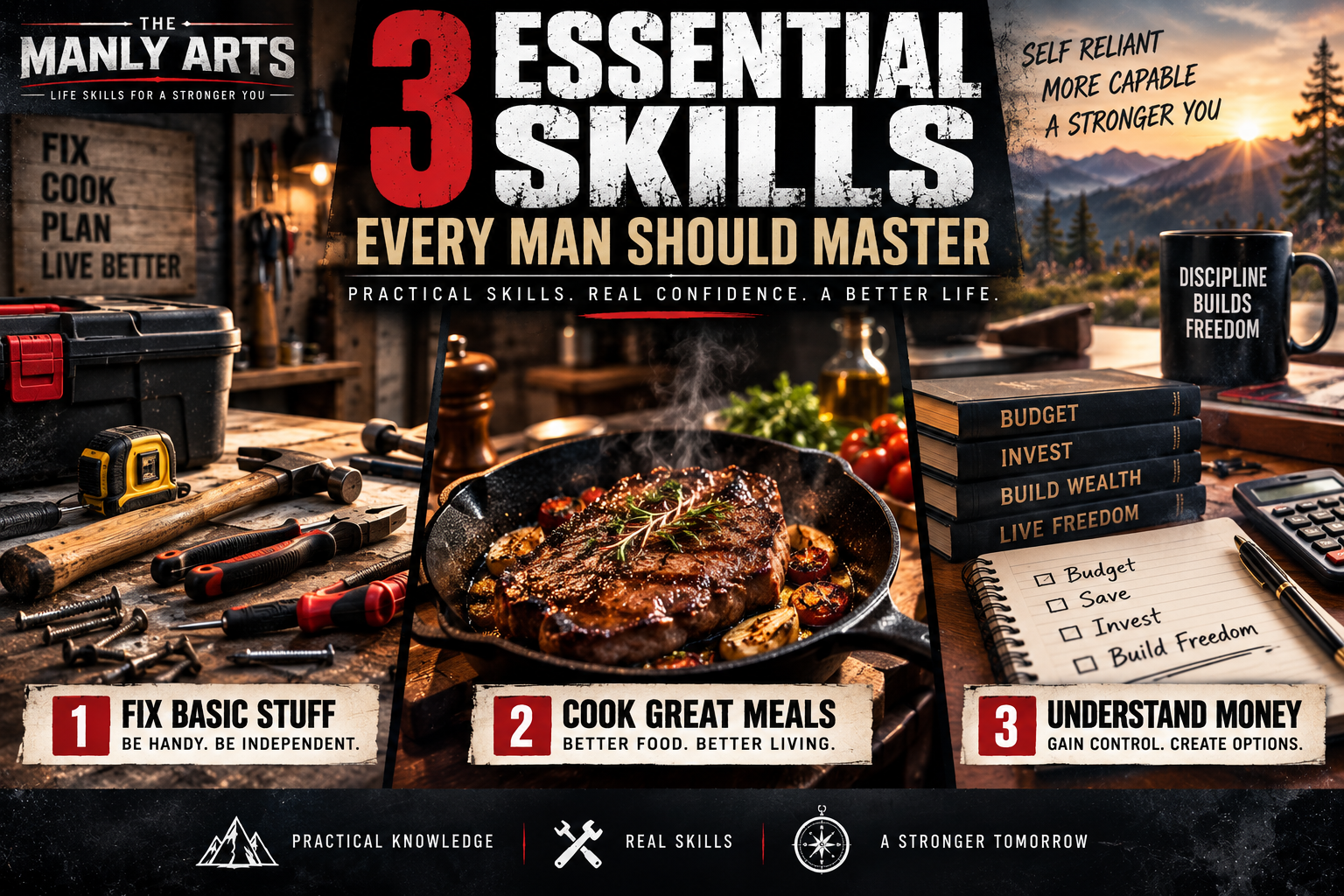
- Embrace Adaptability: The man who only knows one way to do something is fragile. The resilient man can improvise, repair, and innovate with what’s available. Learn basic skills: sewing, carpentry, mechanical repair.
Apocalypse Survival Your Ultimate Goal
Preparedness isn’t a destination; it’s a journey. It starts with a single step. This weekend, buy an extra case of water. Next week, inventory your first-aid kit. The week after, have a conversation with your family about a meeting spot.
The goal isn’t to build a bunker and hide from the world. It’s to walk through life with the quiet confidence that comes from knowing you can handle whatever comes your way. That is the true definition of self-reliance.
Start today. Be the calm in the storm.
References & Further Reading:
- Wiseman, John “Lofty”. SAS Survival Handbook: The Ultimate Guide to Surviving Anywhere. William Morrow Paperbacks.
- Journal of Emergency Management: “The correlation between disaster planning and psychological resilience in affected populations.” (A search on their site will yield relevant studies).
- Ready.gov: The U.S. government’s official preparedness website. An excellent, no-nonsense resource for building basic kits and plans.
- The American Red Cross: Offers certified courses in First Aid, CPR, and AED operation. Official Site.