Shelter Building Rediscovering a Timeless Survival Skill
Shelter Building: In a world where technology cushions our every move, few things offer a more grounding experience than mastering the ancient art of shelter building. From tribal hunters seeking refuge in the wild to modern-day survivalists testing their grit against nature, this timeless skill connects men to their primal roots. Whether you’re an avid outdoorsman, a weekend warrior, or just someone looking to reclaim self-reliance, learning how to build a shelter isn’t just practical—it’s empowering.
Why Shelter Building Still Matters
Modern conveniences may fool us into thinking we’re invincible, but all it takes is one backcountry mishap or unexpected emergency to remind us how vulnerable we really are. Knowing how to build a shelter can:
- Protect you from the elements (cold, heat, rain, wind)
- Increase your chances of survival in an emergency
- Offer a sense of psychological comfort in the wild
- Teach resilience, resourcefulness, and independence
And beyond survival, it’s an incredibly rewarding hobby that taps into your creative instincts and strategic thinking.
The Origins of Shelter Building
Long before architects and city planners, our ancestors were engineers of necessity. From the Ice Age’s snow caves to the thatched huts of African tribes, early humans adapted to their environments with remarkable ingenuity.
Key Historical Examples:
- Lean-tos and debris huts were common among nomadic tribes in temperate forests.
- Wigwams and tipis were expertly crafted by Native Americans using animal skins and wood.
- Mud huts and adobe homes in arid regions showcased the use of clay and straw to regulate internal temperatures.
These primitive structures were more than just survival mechanisms—they were expressions of cultural identity, craftsmanship, and adaptability.
Practical Shelter Building Tips for the Modern Man
Whether you’re camping in the Rockies or prepping for an off-grid adventure, mastering shelter basics can make all the difference.
1. Location is Everything
- Look for high ground to avoid flooding.
- Stay away from lone trees during thunderstorms.
- Consider proximity to water sources, but not too close (20–30 meters away is ideal).
2. Know Your Materials
- Dead wood: Great for framing.
- Leaves, moss, and pine needles: Ideal for insulation.
- Tarp or emergency blankets: Compact, effective cover when nature isn’t enough.
3. Master These Shelter Types
- Lean-to Shelter: Easy and fast; great against wind.
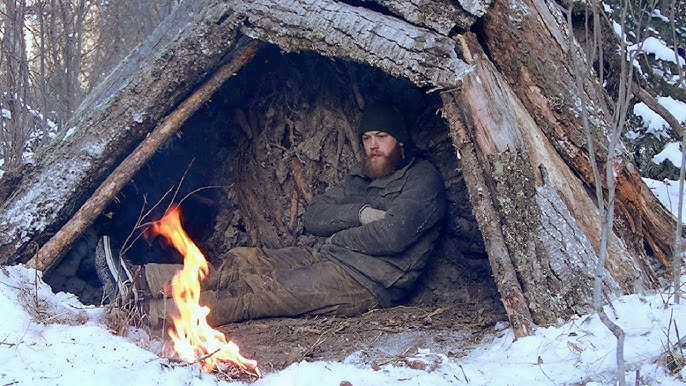
- Debris Hut: Excellent for warmth in colder environments.
- Tarp Tent: Lightweight and versatile for quick setups.
- Snow Cave: Advanced technique for extreme cold; requires skill and caution.
4. Layer and Insulate
Remember: Heat rises, and cold sinks. Build thick bedding of leaves or branches to insulate from the cold ground, and layer your walls to trap warmth.
5. Practice Before You Need It
Try building shelters in various environments to understand how terrain, weather, and materials affect construction. It’s one thing to read about it—another to do it with frozen fingers in a storm.
The Mental Game of Shelter Building
Building a shelter is more than just stacking sticks. It’s a mental challenge—a real-time test of your patience, planning, and adaptability. Every build sharpens your spatial awareness, environmental reading, and problem-solving skills.
Conclusion: Reclaiming a Lost Art
In a society wired for comfort, the ancient art of shelter building reminds us of what it means to survive—and thrive—on our own terms. It’s a skill every man should learn, not just for safety, but for the confidence and connection to nature it brings.
So go ahead—get your hands dirty, build something with nothing, and discover the profound satisfaction of creating shelter the way our ancestors did.