When Mainstream News Stopped Telling the Truth? The Rise of Media as a Weapon
Mainstream News is lying to you, purposefully trying to mislead and deceive you. Men respect facts. We make decisions based on evidence—whether in business, relationships, or politics. But somewhere along the line, the mainstream news stopped being a reliable source of truth and became something else: a weapon wielded by the wealthy and powerful to shape public opinion, protect their interests, and manipulate reality.
When did this happen? And how did we go from the era of Edward R. Murrow’s hard-hitting exposés to today’s landscape of hyper-partisan spin, corporate-controlled narratives, and outright propaganda?
This isn’t just a media problem—it’s a threat to democracy itself. Let’s dive deep into the history, the turning points, and what we can do about it.
What Is Unbiased News—And Why Does It Matter?
Unbiased journalism is reporting that prioritizes:
- Fact over opinion – Verifiable evidence, not speculation and opinion.
- Balance over agenda – Presenting multiple perspectives fairly.
- Accountability over access – Challenging power, not protecting it.
A free press is essential to democracy. As Thomas Jefferson once wrote:
“The only security of all is in a free press. The force of public opinion cannot be resisted when permitted freely to be expressed.”
But when media especially the mainstream news becomes a tool for the affluent, that freedom is corrupted.
The News Historical Shift: From Watchdog to Lapdog
The Early 20th Century: The Birth of Modern Journalism
In the 1920s and ‘30s, newspapers were often openly partisan. But by mid-century, journalism embraced objectivity. Legendary CBS anchor Walter Cronkite became “the most trusted man in America” by delivering straightforward news—even when it angered the powerful. His 1968 editorial calling the Vietnam War “unwinnable” reportedly made LBJ say, “If I’ve lost Cronkite, I’ve lost Middle America.”
The 1980s: The Corporate Takeover Begins
The Reagan era brought deregulation, including the FCC’s repeal of the Fairness Doctrine (1987), which had required balanced coverage. This allowed networks to push ideological agendas without consequence.
At the same time, media consolidation accelerated:
- 1985: Capital Cities buys ABC
- 1996: Disney acquires ABC
- 2000: AOL merges with Time Warner in a disastrous $165 billion deal
Suddenly, news wasn’t about truth—it was about profits.
The 1990s-2000s: The Rise of 24/7 Outrage Media
CNN launched the 24-hour news cycle in 1980, but Fox News (1996) and MSNBC (1996) turned news into entertainment. The formula? Conflict sells.
- Sensationalism over substance (e.g., endless coverage of scandals like Monica Lewinsky)
- Partisan framing (left vs. right, not truth vs. lies)
- Ad-driven narratives (outrage keeps viewers glued)
As former CBS News president Van Gordon Sauter admitted:
“Television is a business, not a public service. We are in the business of selling audiences to advertisers.”
How the Wealthy Weaponized the News
1. Corporate Ownership Dictates Coverage
When a handful of conglomerates control most news, editorial independence dies. Examples:
- Disney/ABC avoided criticizing China’s human rights abuses to protect its business interests. (Source: The Intercept)
- Jeff Bezos’ Washington Post has been accused of downplaying Amazon labor issues. (Source: Columbia Journalism Review)
2. Advertising Dollars Shape the Narrative
Media relies on ad revenue, so stories that threaten big advertisers (Big Pharma, Wall Street, defense contractors) get buried. A 2017 Harvard study found that health news often parroted drug company PR without scrutiny. (Source: Harvard Health Policy Review)
3. Political and Elite Influence
- Iraq War (2003): Major outlets uncritically repeated Bush admin claims about WMDs. The New York Times later admitted its failures in a rare editorial mea culpa. (Source: NYT)
- 2008 Financial Crisis: Networks framed it as a “both sides” issue rather than exposing Wall Street’s recklessness. (Source: The Nation)
4. The Social Media Amplification Effect
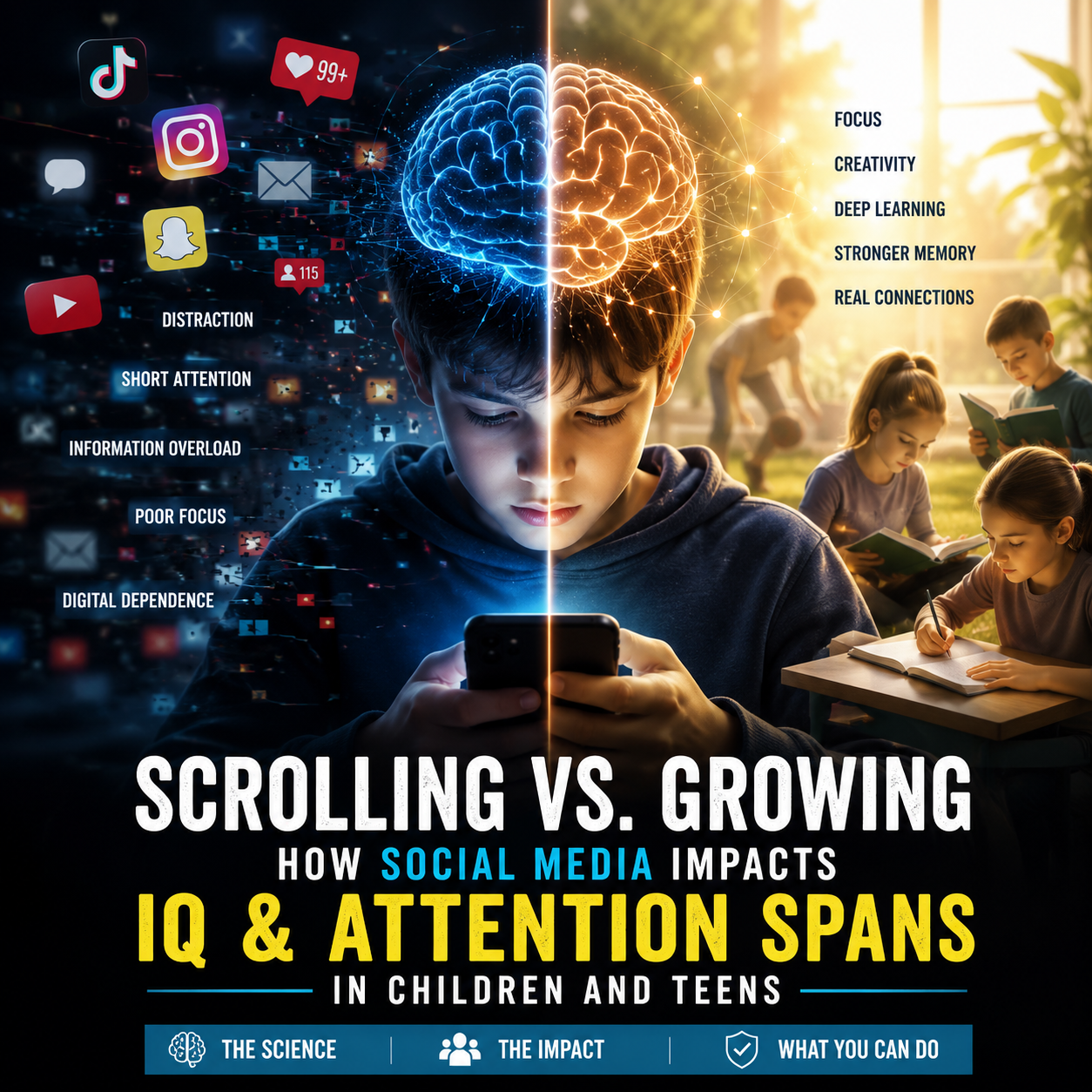
Facebook and Twitter algorithms prioritize engagement over accuracy, rewarding outrage and misinformation. A 2021 MIT study found that false news spreads 6x faster than truth on social media. (Source: MIT Sloan)
The Consequences: A Broken Public Trust
- Only 32% of Americans trust the media (Gallup, 2023).
- Polarization is at record highs—media bubbles reinforce division.
- Young men are abandoning mainstream news—many turn to alternative (sometimes unreliable) sources.
As journalist Carl Bernstein (of Watergate fame) warned:
“The media has become the enemy of the people because it has ceased to do its job.”
Fight Back: Demanding the Truth From The Mainstream News
1. Support Independent Journalism
Outlets like Reuters, AP, and ProPublica still prioritize facts over spin. Subscribing to them helps fund real reporting.
2. Demand Transparency
- Separate news from opinion (many outlets blur the lines)
- Disclose corporate/political ties (Who owns the outlet? Who funds it?)
3. Improve Media Literacy
- Fact-check before sharing (Use Media Bias/Fact Check)
- Diversify sources (If you only watch Fox or MSNBC, you’re getting half the story)
4. Starve the Clickbait Beast
Stop engaging with rage-bait headlines. Traffic drives content—don’t feed the machine.
Final Thought: Can We Save The Mainstream News A Call to Action
The news didn’t die overnight. It was a slow poisoning—by greed, consolidation, and elite manipulation. But men don’t just complain; we fix things.
By choosing better sources, demanding accountability, and thinking critically, we can still find—and fight for—the truth. Because in the end, a society without honest information is one where freedom doesn’t stand a chance.
What do you think? When did you first notice the news wasn’t telling the whole story? Drop your thoughts in the comments.
Further Reading:
- Manufacturing Consent – Noam Chomsky
- The News: A User’s Manual – Alain de Botton
- Trust Me, I’m Lying – Ryan Holiday (on media manipulation)