How to Be Prepared for Any Emergency at Any Time!
Emergency Preparation – Picture this: You’re out on a weekend hike with your buddies when a sudden storm rolls in, cutting off the trail and leaving you stranded. Or maybe it’s something closer to home—like a power grid failure during a brutal winter night, and your family’s looking to you to keep things together. As men, we often see ourselves as the fixers, the protectors. But let’s be real: emergencies don’t care about your bench press max or how many tools you have in the garage. What matters is being prepared. In this article, we’ll break down how to gear up for whatever life throws your way, drawing from solid advice from experts like FEMA and the Red Cross. We’ll keep it straightforward, actionable, and yeah, a bit manly—because who doesn’t want to feel like Bear Grylls in a crisis?
Emergency Preparation Basics: Build Your Emergency Kit
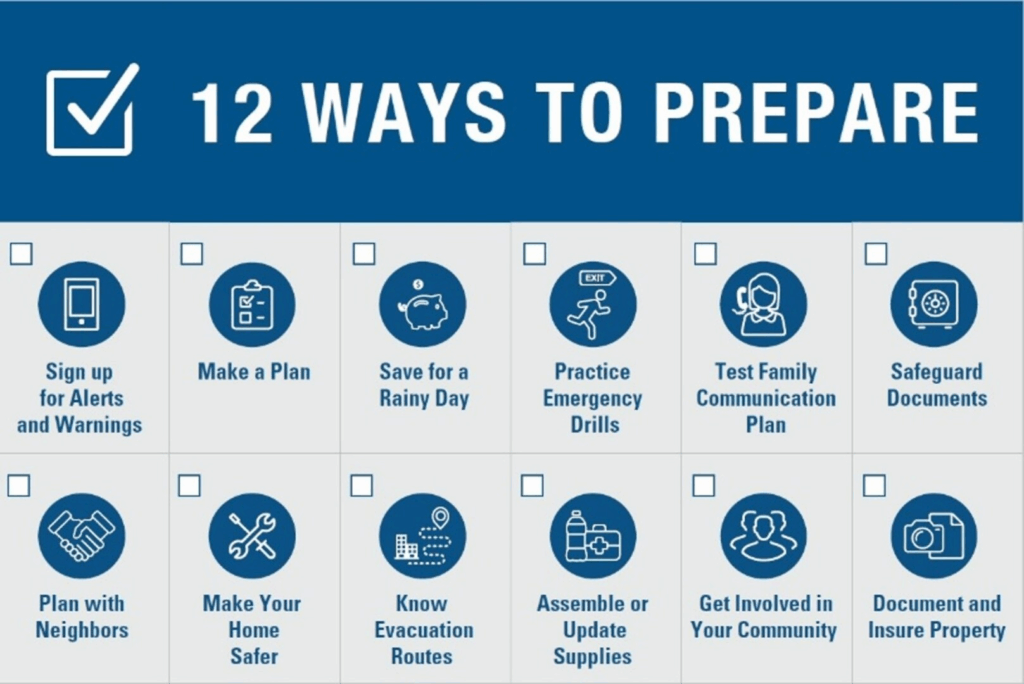
First things first, you need a go-bag that’s ready to grab at a moment’s notice. Think of it as your survival toolbox. The folks at Ready.gov recommend stocking up on essentials that can keep you and your crew going for at least 72 hours. Here’s a no-nonsense list to get you started:
- Water and Food: One gallon of water per person per day for drinking and sanitation, plus non-perishable grub like energy bars, canned goods, and a manual can opener. Don’t forget pet food if you’ve got a furry sidekick.
- Light and Communication: A flashlight, extra batteries, a battery-powered or hand-crank radio (tune into NOAA for weather alerts), and a whistle to signal for help.
- Health and Hygiene: A first-aid kit with bandages, antiseptics, and any prescription meds. Throw in dust masks, moist towelettes, garbage bags, and duct tape for makeshift shelters or repairs.
- Tools and Extras: Wrench or pliers to shut off utilities, local maps, cell phone chargers (including a backup battery), and cash—because ATMs might be down.
Pro tip: Customize it for your life. If you’re a dad with little ones, add diapers and games to keep them occupied. Store kits at home, work, and in your car. As survival expert Nate Polson puts it, “Planning is the best way to ensure your survival.” Check out more details on building your kit at Ready.gov’s emergency kit guide.
Craft a Solid Emergency Plan
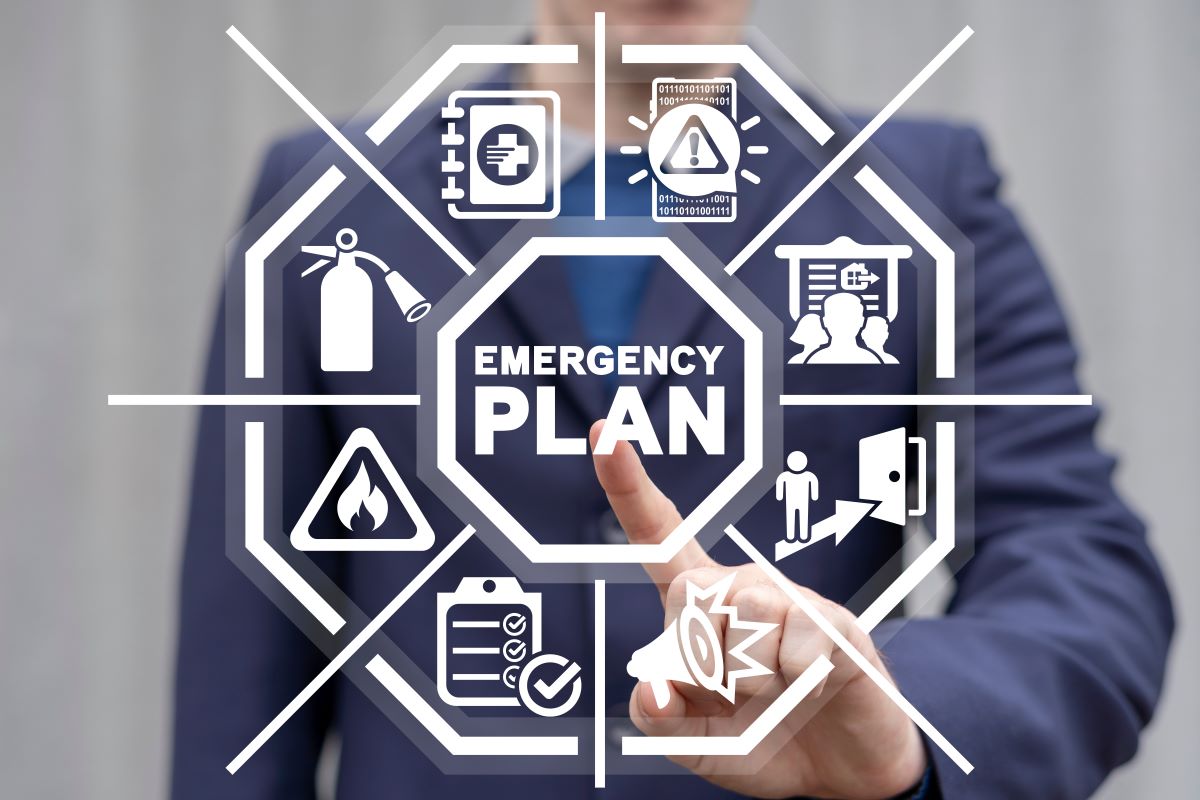
Having gear is great, but without a game plan, it’s just stuff collecting dust. Sit down with your family or roommates and map out what to do when SHTF. The Red Cross emphasizes making an emergency preparation plan that’s tailored to your household—think evacuation routes, meeting spots, and how to communicate if cell service craps out.
Key steps:
- Discuss Scenarios: Talk about common threats in your area—floods, earthquakes, or blackouts. Figure out shelter-in-place vs. bug-out options.
- Communication Strategy: Designate an out-of-town contact everyone can call. Use apps like the FEMA app for real-time alerts.
- Practice Drills: Run through it like a fire drill. Kids at school? Know their emergency protocols. Got elderly folks or pets? Factor them in.
- Special Needs: Account for meds, mobility aids, or dietary stuff.
Ready.gov has a fillable family plan template to make it easy—download it here. Remember Dwight Eisenhower’s words: “Plans are worthless, planning is everything.” It’s the process that builds that muscle memory.
Master Essential Survival Skills
Alright, let’s get to the fun part—having emergency preparation skills that make you feel like a real outdoorsman. You don’t need to be a Navy SEAL, but knowing a few basics can turn a bad situation into a story you tell over beers later. According to HiConsumption, every man should know these eight core survival skills:
- Finding & Purifying Water: Locate sources and boil or filter it to avoid getting sick.
- Starting & Tending a Fire: Use matches, lighters, or friction methods for warmth, cooking, and signaling.
- Building a Temporary Shelter: Improvise with tarps, branches, or snow to protect from the elements.
- Navigating & Reading a Compass: Ditch the GPS; learn maps and natural cues like the sun’s position.
- Hunting & Foraging for Food: Basic trapping, fishing, or identifying edible plants.
- Camp Cooking: Prep meals safely without modern appliances.
- Dressing a Wound: Stop bleeding, clean injuries, and prevent infection.
- Tying a Knot: From bowlines to hitches, knots are lifesavers for securing gear.
Practice these on camping trips or in your backyard. Sites like Outdoors with Bear Grylls have more in-depth tips. As Petra Nemcova said, “We cannot stop natural disasters but we can arm ourselves with knowledge: so many lives wouldn’t have to be lost if there was enough disaster preparedness.”
Stay Informed, Fit, and Financially Ready
Knowledge is power, fellas. Sign up for local alerts via apps or text services from the National Weather Service. Physically? Hit the gym or trails—endurance matters when you’re hauling gear or helping others. Mentally, stay calm; panic is the real killer.
Don’t overlook finances. Have an emergency fund for at least three months’ expenses, plus insurance docs digitized. The OSHA site stresses training for workplace emergencies too—check it out here.
Emergency Preparation: Be the Hero You Want to Be
Emergency preparation isn’t about paranoia; it’s about empowerment. By building a kit, planning ahead, honing skills, and staying sharp, you’re not just surviving—you’re thriving in the face of chaos. As Theodore Roosevelt put it, “Speak softly and carry a big stick; you will go far.” Start small today—grab a few items for your kit or chat with your family about a plan. You’ll sleep better knowing you’re ready for anything. For more resources, head to FEMA’s basic preparedness guide. Stay safe out there, gents.
BONUS SECTION – Emergency Preparation
Expanded Survival Skills Every Man Should Master
You’ve already got the core eight down—now let’s level-up. Here’s the expanded list of 20+ hard skills that separate the prepared from the panicked. Practice these, and you’ll be the guy everyone wants on their team when things go sideways.
- Finding & Purifying Water
Learn to locate water (digging seeps, reading terrain, dew collection with a shirt) and purify it (boiling, tablets, improvised charcoal filters, solar stills). - Starting a Fire in Any Condition
Ferro rod, flint & steel, bow drill, fire plow, wet-weather tricks, one-match fires, and how to carry live embers in a tinder bundle. - Building Expedient Shelters
Debris hut, lean-to, snow cave, poncho hooch, wikiup, A-frame with natural materials. Know the difference between a 4-hour and a 4-day shelter. - Land Navigation Without GPS
Compass + map triangulation, pacing distances, handrails, backstops, using the sun/shadow stick method, and night navigation by stars. - Signaling for Rescue
Signal mirrors, whistle codes (3 blasts = distress), ground-to-air symbols, VS-17 panels, fire/smoke signals, laser flares. - Basic Wilderness First Aid & Trauma Care
Control massive bleeding (tourniquets, pressure dressings, wound packing), treat shock, improvise splints, recognize hypothermia/hyperthermia stages, and perform CPR with barrier devices. - Knot Tying
Must-know: bowline, taut-line hitch, trucker’s hitch, prusik, clove hitch, sheet bend, fisherman’s knot, timber hitch. - Foraging Edible & Medicinal Plants
Universal edibility test, high-calorie plants in your region (cattail, acorns, pine needle tea for vitamin C, plantain for wounds). - Trapping & Snares
Deadfalls, paiute deadfall, spring snares, trotlines for fish, simple twitch-up snares. Know local game laws in normal times. - Fishing Without a Rod & Reel
Hand-line fishing, gorge hooks, gill nets, fish traps, spear fishing. - Field Dressing & Butchering Game
Skinning, quartering, preserving meat without refrigeration (smoking, drying into jerky). - Improvised Tools & Weapons
Making a stone blade, atlatl, rabbit stick, sling, or a solid hoko knife from rebar. - Lock Picking & Improvised Entry (urban survival)
Basic rake/pick skills, bump keys, shimming padlocks—know when it’s legal (your own stuff or life-saving scenarios). - Vehicle Extraction & Recovery
Using a hi-lift jack, winching with a come-along, traction boards, kinetic ropes, and digging out of mud/snow. - Power Generation & Battery Hacks
Solar panel + goal-zero setups, car alternator generators, thermoelectric generators from campfires. - Grey-Man Tactics & Situational Awareness
Blending in during civil unrest, reading body language, baseline vs. anomaly, Cooper’s color codes. - Home Fortification Basics
Quick barricades, reinforcing doors/windows, safe rooms, fire-resistant barriers. - Water Crossing Techniques
One-man vs. group river crossings, pack floats, improvised rafts from logs & ponchos. - Cold-Weather Survival
Building quinzees, preventing frostbite, ignition in -20°F, the “hot tent” concept with a wood stove in a wall tent. - Mental Resilience & Stress Inoculation
Controlled breathing (box breathing), decision-making under duress, the Rule of 3s (3 hours without shelter, 3 days without water, 3 weeks without food), and keeping morale high for your group. - Basic Field Hygiene & Sanitation
Digging catholes, improvised toilets, preventing trench foot/giardia, dental care without a dentist. - Barter Items & Post-Event Economics
What actually has value when money fails: booze, ammo, lighters, tampons, coffee, antibiotics, skills > stuff.
Print this emergency preparation list, laminate it, and throw it in your get-home bag. Then start knocking one skill off every month on camping trips or weekend drills. As the SAS saying goes:
“The more you sweat in training, the less you bleed in combat.”
Want deep-dive guides?
- Creek Stewart’s “Build the Perfect Bug Out Bag” series
- The U.S. Army Survival Manual FM 3-05.70 (free PDF online)
- Dave Canterbury’s “Bushcraft 101” and YouTube channel
- Sigma 3 Survival School (hands-on courses if you want the real thing)
Get after it, brother. The time to learn is now—while YouTube still works and the range is still open.